

Quick answer
Napa Valley wine tour transportation operates daily from 09:00 to 23:00, with services ranging from private drivers and luxury sedans to shared shuttle buses and designated driver programs. Most operators charge per booking or hourly rate rather than entrance fees. Early departure between 09:00 and 11:00 avoids peak traffic and ensures timely arrival for morning winery reservations, which many estates require during harvest season.
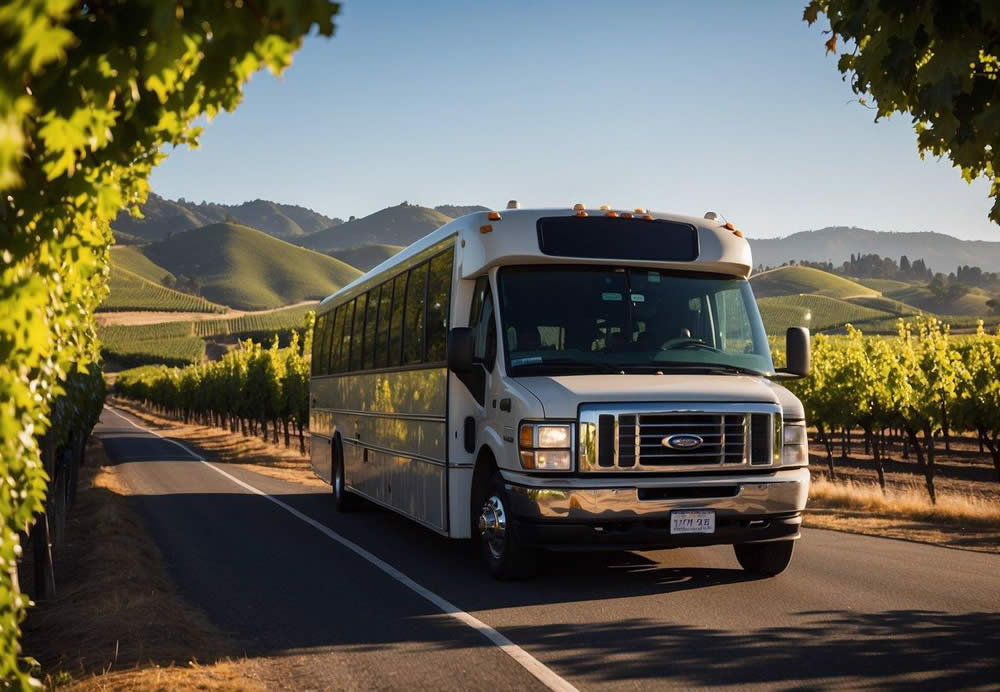
Napa Valley spans roughly 30 miles from Carneros in the south to Calistoga in the north, with over 400 wineries scattered across sixteen sub-appellations. The geography demands deliberate routing. Wine country roads like Silverado Trail and Highway 29 carry steady traffic during midday hours, and tasting room appointments now dominate the valley's reservation system. Most estates enforce strict arrival windows, making reliable transport non-negotiable. Private driver services anchor the premium tier. Black-car companies and independent chauffeurs handle door-to-door itineraries, accommodate spontaneous route changes, and wait between tastings. Rates typically run hourly, with minimum booking periods ranging from four to eight hours depending on the operator. Luxury sedans seat up to three passengers comfortably; larger groups require SUVs or sprinter vans. The flexibility comes at a cost, but the service eliminates parking logistics entirely. Shared shuttle programs offer structured wine country access at lower price points. Companies run fixed routes connecting downtown Napa or Yountville with major tasting rooms along preset circuits. Passengers hop on and off throughout the day, though departure frequencies vary by season. Some shuttles require advance booking for specific time slots, while others operate on rolling schedules. Group size restrictions apply, and itinerary customization remains limited compared to private options. Designated driver services present a middle path. These programs pair a licensed driver with your rental vehicle or private car, allowing groups to use their own transport while maintaining sobriety compliance. Drivers typically work eight-hour shifts and follow client-directed routes within Napa County. The model suits parties who prefer their own space but lack a permanent non-drinking volunteer. Advance booking windows of 48 to 72 hours are standard, especially during September and October crush season when demand peaks across all napa valley wine tour transportation categories.
“Most estates enforce strict arrival windows, making reliable transport non-negotiable.”
Modes of Napa Valley Wine Tour Transportation
Napa Valley is located in California, USA, and is best accessed by road. Planning your transportation in advance ensures a smooth experience between winery locations.
Highway 29 or Silverado Trail
Private car service or ride-share
Vine Transit regional routes
Best Time for Napa Valley Wine Tour Transportation
The best arrival window is 09:00–11:00, as an early departure avoids peak traffic and ensures timely arrival for morning winery reservations. Planning around seasonal cycles helps manage transit congestion between appointments.
Harvest Season (Sept–Oct)
Highest crowds, heavy trafficWarm days, cool nights, 70°F–85°F
Peak activity requires extra travel time between wineries.
Winter (Nov–Mar)
Low crowds, easy transitCool, damp, 45°F–60°F
Traffic is minimal, allowing for more flexible scheduling.
Spring (Apr–May)
Moderate crowds, manageable trafficMild, pleasant, 60°F–75°F
Mustard blooms draw visitors, but transit remains reliable.
Weekday mornings
Minimal congestion—
Departing early ensures smoother transitions between winery locations.
Verdict: The optimal period for travel is Tuesday to Thursday during April or October, targeting the 09:00–11:00 arrival window.
Planning Your Budget for Napa Valley Wine Tour Transportation
Transportation costs in Napa Valley vary significantly based on whether you choose private chauffeured services or group transportation options. Planning ahead allows you to allocate funds effectively for your preferred style of travel.
How to spend less
- Book group tours during weekdays for lower rates.
- Use ride-share apps for short, single-winery trips.
- Split private car hourly costs among your group.
- Compare total daily costs versus per-trip ride-share fees.
Expect to budget between 80 USD and 150 USD per person for shared group tours, while private transportation ranges from 500 USD to 900 USD per day for the entire group.
Mistakes to Avoid When Booking Napa Valley Wine Tour Transportation
Transportation logistics can derail an otherwise well-planned wine tour. These errors cost time, money, and access to wineries with strict reservation policies.
Booking transportation the week of your visit
Reserve at least two weeks ahead, especially during harvest season (August–October) when services fill quickly and rates increase.
Underestimating travel time between wineries in different appellations
Allocate 20–45 minutes between stops; northern appellations like Calistoga sit 30+ miles from southern Napa, and Highway 29 slows during midday traffic.
Choosing a service without confirmed winery access
Verify your driver knows which wineries require advance reservations and whether your vehicle meets any property restrictions (some estates ban large buses).
Failing to confirm the departure window aligns with reservations
Schedule pickup between 09:00–11:00 to avoid peak traffic and ensure you reach morning tastings on time; late starts compress your itinerary.
Selecting a vehicle size that doesn't match group dynamics
Match capacity to your party—cramming into undersized transport or paying for excess space both waste money and comfort over 6–8 hour tours.
Pre-Visit Checklist for Napa Valley Wine Tour Transportation
Complete these steps before your scheduled wine tour to ensure smooth transportation logistics.
-
Confirm your transportation booking and itinerary — Verify pick-up time, location, and winery stops with your driver or service provider.
-
Review winery reservation requirements — Some wineries require advance bookings; confirm your driver has the schedule.
-
Bring valid photo identification — Wineries require ID for tastings; drivers may need it for liability purposes.
-
Share your contact number with the driver — Ensures communication if pick-up locations or timing need adjustment.
-
Note the service's cancellation policy — Understanding refund terms prevents last-minute confusion.
-
Pack light and avoid checked bags — Most vehicles have limited trunk space for day tours.
Check availability
Frequently asked questions about napa valley wine tour transportation
Everything you need to know about napa valley wine tour transportation